
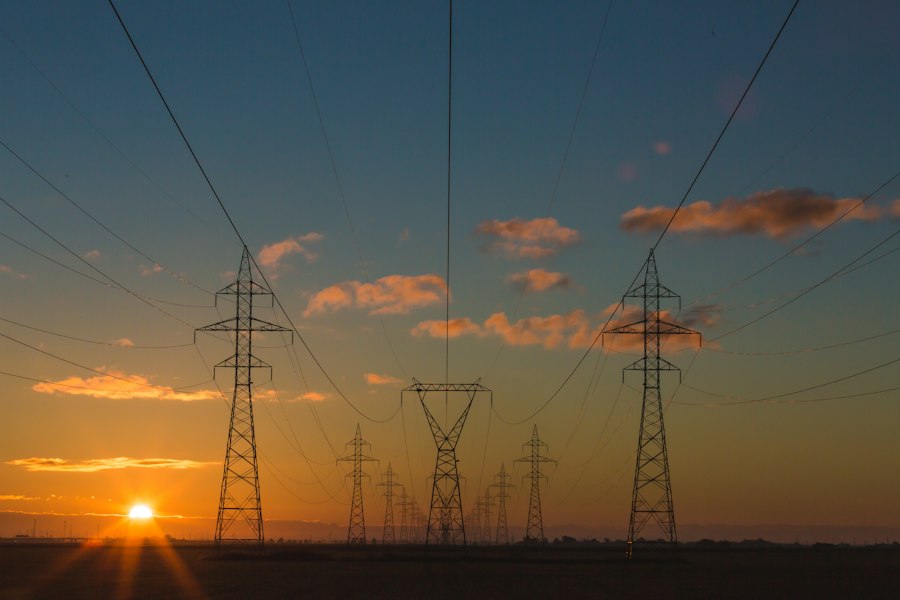
Supply of electricity in India is currently outside the scope of GST — it remains exempt. Similarly, petroleum crude, high-speed diesel, motor spirit (petrol), natural gas and aviation turbine fuel (ATF) are excluded from GST and continue under the previous Central Excise and state VAT/sales tax regime. Here is the complete guide on GST exemptions for electricity and fuel, and the ongoing debate on inclusion.
Electricity — Current GST Status
- Electricity is exempt from GST — Entry 104 of Schedule II of GST Exemption Notification (12/2017-Central Tax Rate) exempts "Electrical energy" from GST
- Electricity generation, transmission and distribution by DISCOMs (Distribution Companies), State Electricity Boards and private utilities: All exempt
- No GST is charged on electricity bills of residential, commercial or industrial consumers
- Electricity supplied to EV charging stations: Exempt
ITC Problem — Electricity Suppliers Cannot Claim ITC
- Since DISCOMs/utilities supply exempt electricity, they cannot claim ITC on their inputs (equipment, transformers, cables, civil works)
- This "embedded tax cost" in electricity infrastructure increases the cost of electricity indirectly
- Industrial consumers buying capital goods for captive power generation can claim ITC on those capital goods — but not on the electricity bill itself
Petroleum and Fuel — Outside GST
- The following five products are explicitly excluded from GST (Article 279A of Constitution): Petroleum crude, High-speed diesel (HSD), Motor spirit (MS/petrol), Natural gas, Aviation turbine fuel (ATF)
- These continue to attract Central Excise Duty + State VAT — making pump prices highly variable across states
- Industry (particularly airlines and logistics) cannot claim ITC on fuel costs — a cascading tax burden
The GST Inclusion Debate
- GST Council has periodically debated including electricity and petroleum products under GST — but states resist due to revenue implications (state excise and VAT on petrol/diesel are major revenue sources)
- If electricity is brought under GST: DISCOMs can claim ITC on inputs (reducing their cost), consumers pay GST (likely 5-12%) on electricity bills
- Net impact on consumers would depend on the rate and ITC benefit flowing through
Conclusion
Electricity remains exempt from GST and petroleum products remain outside GST — creating the cascading tax problem that GST was designed to eliminate. SPOTON provides GST advisory for manufacturers, DISCOMs, EV infrastructure providers and industrial units on energy-related GST compliance in Kerala. Contact us for expert GST advisory services.
Need Expert Help?
Our CAs & CSs are ready — free consultation.