
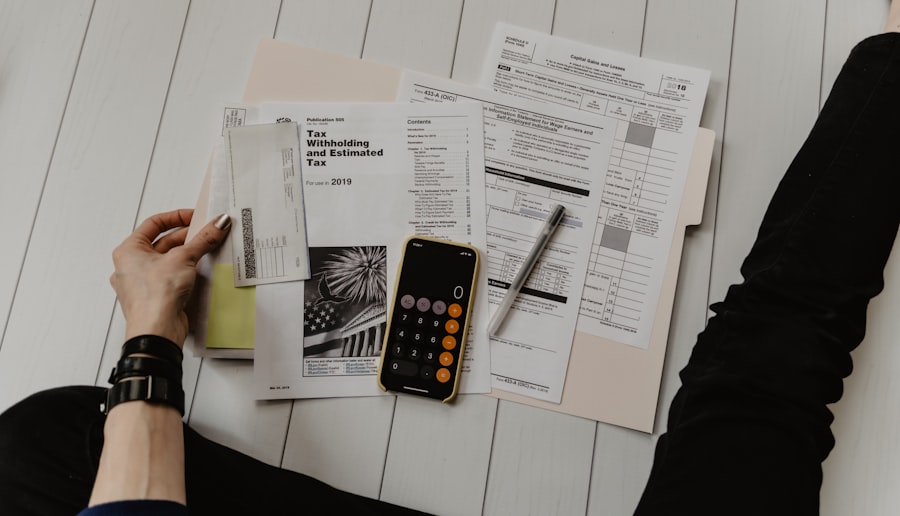

An E-Way Bill (Electronic Way Bill) is a document required for the movement of goods worth more than ₹50,000 anywhere in India under the GST regime. Failure to carry a valid E-Way Bill during transit can result in seizure of goods, vehicle detention and hefty penalties. Here is everything you need to know about E-Way Bills in 2025.
What is an E-Way Bill?
An E-Way Bill is an electronically generated document that contains details of the goods being transported, their value and the transporter's details. It is generated on the E-Way Bill portal (ewaybillgst.gov.in) before the movement of goods begins and must accompany the goods throughout their journey.
When is an E-Way Bill Required?
- Movement of goods valued above ₹50,000 (excluding GST) for supply purposes
- Transfer of goods between two different GST registrations of the same person (e.g., branch to branch)
- Export and import movements above ₹50,000
- Some states have lower thresholds for intra-state movement — check the latest state-specific rules
E-Way Bill is NOT required for movement of certain exempt goods, goods transported by non-motorised vehicles, goods transported under customs seal, and certain other specific exemptions listed under Rule 138(14) of the CGST Rules.
Who Generates the E-Way Bill?
The registered supplier generates the E-Way Bill before dispatch if they are transporting goods themselves. If the goods are transported by a transporter, the supplier or the transporter can generate the E-Way Bill. For unregistered suppliers, the recipient or transporter generates it.
Validity of E-Way Bill
E-Way Bill validity depends on the distance the goods must travel:
- Up to 200 km: 1 day
- For every additional 200 km or part thereof: 1 additional day
- Over-dimensional cargo (ODC): 1 day for up to 20 km, 1 additional day for every 20 km
If the E-Way Bill expires before the goods reach their destination due to a genuine delay (natural calamity, accident, etc.), it can be extended on the E-Way Bill portal before expiry or within 8 hours after expiry by the transporter.
E-Way Bill Blocking
From November 2019, the E-Way Bill system blocks E-Way Bill generation for taxpayers who have not filed GSTR-3B for 2 consecutive months (or 2 consecutive quarters for QRMP filers). To unblock, the pending returns must be filed. This creates a strong incentive for timely return filing.
Common Mistakes to Avoid
- Generating E-Way Bill after dispatch (must be generated before movement begins)
- Wrong vehicle number in the E-Way Bill
- Transporting goods after E-Way Bill expiry
- Mismatch between invoice value and E-Way Bill value
- Not updating vehicle details when the vehicle is changed mid-journey (use Part B updation)
Conclusion
E-Way Bill compliance is non-negotiable for any business transporting taxable goods in India. SPOTON helps businesses set up E-Way Bill processes, train their teams and handle any departmental issues arising from E-Way Bill violations. Contact us for GST compliance support.
Need Expert Help?
Our CAs & CSs are ready — free consultation.